
Paris Sightseeing Tips for Tourists
Most tourists waste time and money in Paris by visiting busy attractions at peak hours, skipping route planning, ignoring the Metro system, overspending on food and tickets, missing hidden gems, forgetting walk essentials, and cramming too many spots into a single day. This guide covers all seven mistakes with practical, easy-to-follow Paris sightseeing tips for tourists so your trip runs smoothly from day one. Proper sightseeing planning helps tourists enjoy Paris comfortably without overspending on transportation, food, or attraction tickets.
Paris is one of the most visited cities on earth. The Eiffel Tower, the Louvre, the Seine River, Montmartre, Notre-Dame Cathedral — the list of places to see never seems to end. Every year, roughly 40 million tourists arrive expecting magic, and many of them leave exhausted, over budget, or wishing they had planned better.
The good news? Every common mistake is preventable. You just need the right information before you go. Paris sightseeing tips for tourists
This article walks through seven sightseeing mistakes first-time visitors make in Paris. More importantly, it gives you the exact tips to avoid each one. Whether you are planning your first trip or heading back for another visit, these Paris sightseeing tips for tourists will save you time, money, and stress.
Visiting Popular Attractions During Peak Hours
Why Tourists Get This Wrong
The Eiffel Tower opens. You show up. Three thousand other people had the same idea.
Peak hour crowds at Paris landmarks are no joke. The Eiffel Tower, the Louvre Museum, the Palace of Versailles, and Notre-Dame all draw enormous crowds between 10 AM and 3 PM, especially from June through August. Tourists waste one to three hours standing in queues during these windows. That is time you could spend actually seeing things.
The problem goes beyond waiting. Crowds make photography harder. They push up the stress level. They make it difficult to absorb what you are actually looking at. And in summer heat, a long outdoor queue is genuinely draining.
Paris Sightseeing Tip: Visit Early, Late, or Off-Season
Go early. Most major Paris attractions open between 9 AM and 10 AM. Arriving at opening time — sometimes called “rope drop” by experienced travelers — means shorter queues, cooler temperatures, and a much calmer experience. The Louvre at 9 AM feels completely different from the Louvre at noon.
Go late. Many attractions are quietest in the last hour or two before closing. The Eiffel Tower at sunset is both beautiful and less crowded than midday. Check closing times in advance, since they vary by season. Paris sightseeing tips for tourists
Go in the off-season. Paris from November through March sees fewer tourists. Prices drop, queues shrink, and the city takes on a different kind of charm. January and February are the quietest months.
Book timed entry tickets in advance. This is not optional for major sites anymore — it is essential. The Louvre, Musée d’Orsay, Palace of Versailles, and Sainte-Chapelle all offer timed-entry tickets online. Buy them before you leave home. Ticket holders skip the general queue entirely.
Best times to visit top Paris attractions:
- Eiffel Tower: First entry slot of the day or after 7 PM in summer
- Louvre Museum: Opening time (9 AM) on Wednesday or Friday (open until 9:45 PM)
- Palace of Versailles: Weekday mornings, avoiding Tuesdays (closed)
- Notre-Dame Cathedral: Early morning on weekdays
- Musée d’Orsay: Late afternoon on any weekday
Not Planning Paris Sightseeing Routes Properly
Why Tourists Get This Wrong
Paris is a big city organized into 20 districts called arrondissements. Without a route plan, tourists zigzag across the city — visiting the Louvre in the morning, then jumping to the Eiffel Tower, then to Montmartre, then back toward the center. Each trip wastes thirty to sixty minutes of travel time and drains energy fast. Paris sightseeing tips for tourists
Many first-time visitors also underestimate walking distances. The Eiffel Tower and the Louvre look close on a tourist map. They are actually a 45-minute walk apart. Add a few detours and you can easily walk 20 kilometers in a day without seeing half of what you planned.
Paris Sightseeing Tip: Group Attractions by Neighborhood
Good route planning is one of the most underrated Paris sightseeing tips for tourists. The basic rule: visit attractions that are near each other on the same day.
Paris divides naturally into sightseeing zones. Here is a simple breakdown:
Zone 1 — Central/Right Bank: The Louvre, Palais Royal, Centre Pompidou, Île de la Cité (Notre-Dame), and Sainte-Chapelle all sit within walking distance of each other. This makes a solid full-day itinerary without any Metro needed between stops. Paris sightseeing tips for tourists
Zone 2 — Eiffel Tower and Champ de Mars Area: The Eiffel Tower, Trocadéro viewpoint, Musée du Quai Branly, and the Invalides complex cluster near the 7th and 8th arrondissements. Combine these in one day.
Zone 3 — Montmartre and the 18th: The Sacré-Cœur Basilica, Place du Tertre, the Moulin Rouge, and the surrounding artist streets are all within a short uphill walk of each other. Plan a half-day here.
Zone 4 — The Marais: This neighborhood holds the Place des Vosges, Musée Picasso, Jewish Quarter, and dozens of galleries and boutiques. The Marais is very walkable and pairs well with a morning at Notre-Dame or an evening stroll along the Seine.
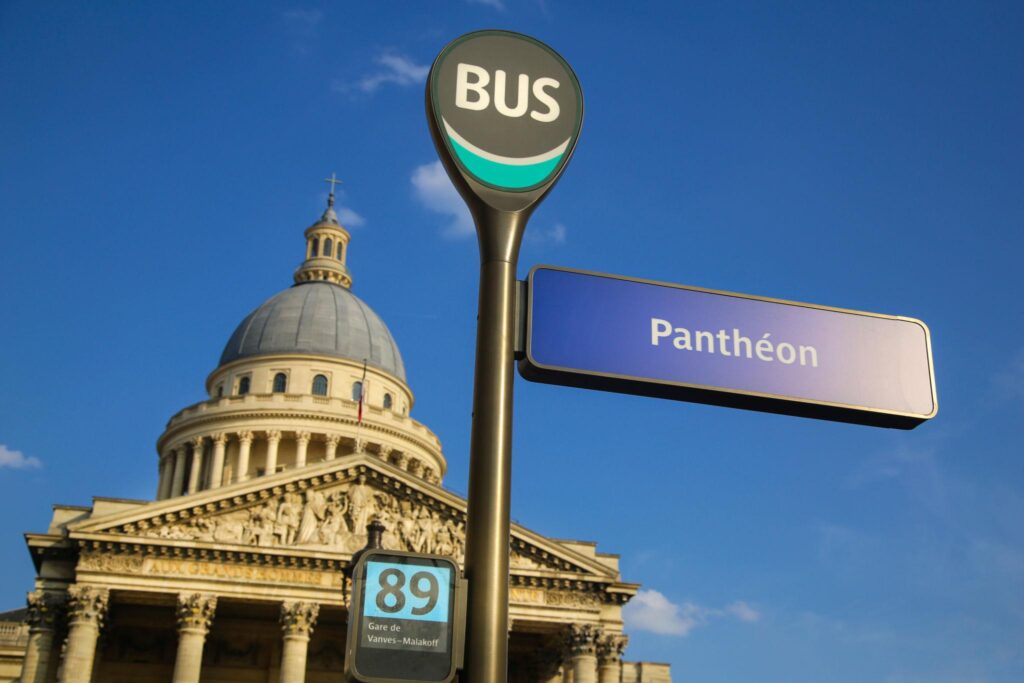
Zone 5 — Latin Quarter and Luxembourg: The Panthéon, Luxembourg Gardens, Shakespeare and Company bookshop, and the Cluny Museum sit in this quieter zone on the Left Bank.
Use Google Maps or a free app like Maps.me to build your daily routes before you travel. Pin your shortlisted spots and switch to walking view. You will immediately spot which sites share a sensible path and which require a Metro jump.
Ignoring Paris Metro Tips While Sightseeing
Why Tourists Get This Wrong
Paris has one of the best public transport systems in the world. Yet many tourists avoid the Metro because it feels complicated, stick to taxis or rideshares for every trip, and end up spending three to four times more than they need to. Others attempt the Metro without understanding the ticket system and overpay or get stuck at the gate. Paris sightseeing tips for tourists
Some tourists also miss the fact that certain Metro lines connect almost every major tourist site directly, making it faster than any taxi during busy periods.
Paris Sightseeing Tip: Master the Metro Before You Arrive
Here is what every tourist needs to know about the Paris Metro:
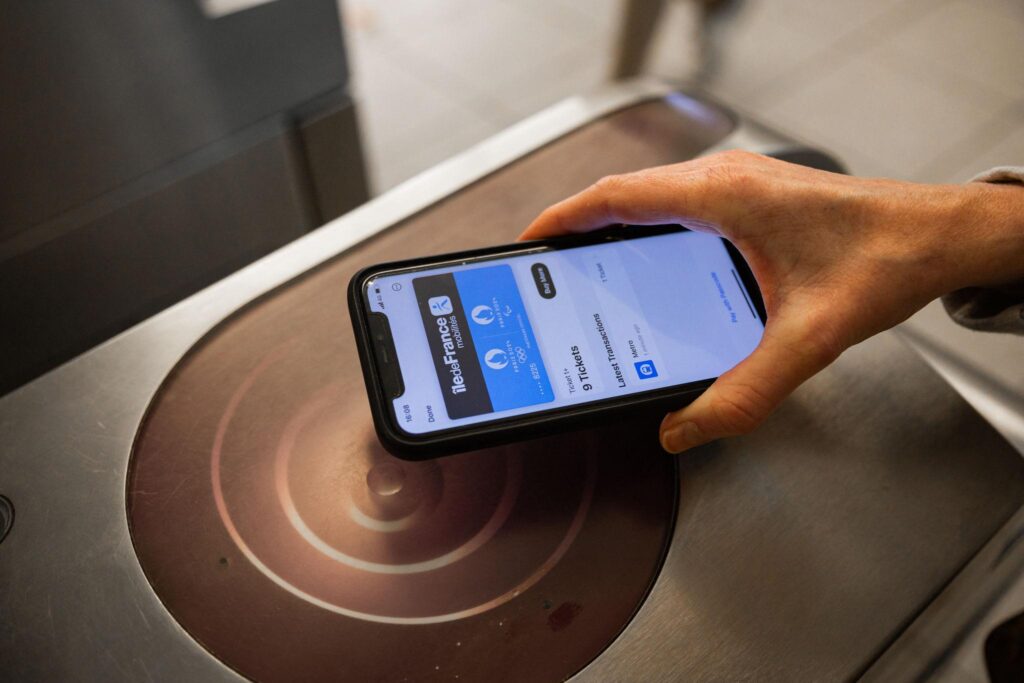
Get a Navigo Easy card or Navigo Liberté+ card. These rechargeable smart cards replaced the old paper carnet tickets. You load credit onto the card and tap it at the gate. A single Metro or bus journey within central Paris (Zones 1–2) costs around €2.15. You can also load a weekly unlimited pass (Navigo Semaine) if you are staying for five or more days — it covers unlimited travel on Metro, bus, RER, and tram for one flat weekly price.
Know your RER lines. The RER is a faster suburban train that runs through central Paris. The RER B connects Charles de Gaulle Airport to central Paris. The RER C connects Versailles. The RER A connects Disneyland Paris. These are faster for long distances than the standard Metro.
Download the RATP app. It is free, works offline, and gives you real-time journey planning across all public transport in Paris. Type in your starting point and destination, and it maps the fastest route.
Metro Line 1 runs east to west and connects many top tourist sites: Champs-Élysées, Concorde, the Louvre, Bastille, and Vincennes. If you are sightseeing around central Paris, Line 1 is your best friend.
Metro Line 4 runs north to south through the heart of Paris, hitting Montparnasse, Saint-Michel (for Notre-Dame), Les Halles, and Montrouge.
Avoid taxis and rideshares for short hops. A five-stop Metro ride costs €2.15. The same trip in a taxi costs €10–€15. Over a week, the difference adds up to hundreds of euros. Save taxis for late nights or when you are carrying heavy bags.
Be aware of pickpockets. Metro stations near major tourist sites — Châtelet, Pigalle, Opéra, and around the Eiffel Tower — attract pickpockets. Keep bags in front of you, zip your pockets, and stay alert when the doors close.
Spending Too Much During Paris Sightseeing Trips
Why Tourists Get This Wrong
Paris has a reputation for being expensive, and it can be — if you do not know where to look. Tourists routinely overspend on restaurant meals near tourist sites, bottled water, overpriced souvenir shops, and full-price museum tickets they could have accessed for free. Paris sightseeing tips for tourists
The reality is that Paris offers a large number of genuinely free or low-cost sightseeing experiences. Missing them is one of the most common — and most avoidable — Paris sightseeing mistakes.
Paris Sightseeing Tip: Know What Is Free and Where to Save
Free museums on the first Sunday of each month. The Louvre, Musée d’Orsay, Centre Pompidou, Musée Rodin, and many other major Paris museums offer free entry on the first Sunday of every month. This applies year-round but draws the biggest crowds in winter. If your travel dates line up, plan this into your itinerary.
Always free attractions in Paris:
- Cathédrale Notre-Dame (exterior and forecourt; interior access resumes post-restoration — check current status before visiting)
- Sacré-Cœur Basilica
- Musée Carnavalet (history of Paris)
- Palais Royal gardens
- Jardin des Tuileries and Jardin du Luxembourg
- Père Lachaise Cemetery
- Most Paris churches, including Saint-Sulpice and Saint-Germain-des-Prés
- All Paris parks
Eat like a local to save money. Tourist restaurants around the Eiffel Tower, Louvre, and Champs-Élysées charge two to three times more for the same quality food you find one or two streets away. Walk a block off the main tourist drag. Look for the plat du jour (daily special) at lunchtime — most bistros offer a two- or three-course lunch menu for €12–€18 that would cost €30 at dinner.
Buy water from a supermarket or use public fountains. Paris tap water is safe to drink. The city also maintains over 1,000 public drinking fountains, including some that dispense sparkling water. Buying individual plastic bottles adds up fast. Bring a reusable water bottle. Paris sightseeing tips for tourists
Skip the souvenir shops near landmarks. Miniature Eiffel Towers and keychains at tourist-facing shops near the tower cost three to five times more than the same items at supermarkets or shops in less central neighborhoods. If you want souvenirs, shop at Monoprix or look at weekend markets.
Consider the Paris Museum Pass. If you plan to visit five or more paid attractions in two to four days, the Paris Museum Pass often works out cheaper than individual tickets. It also provides skip-the-queue access at most sites. Check the current participating sites and prices at parismuseumpass.com before you decide.
Mistake #5: Missing Famous and Hidden Sightseeing Spots in Paris
Why Tourists Get This Wrong
Many visitors create a checklist of the top five landmarks and see nothing else. They visit the Eiffel Tower, the Louvre, Notre-Dame, and Versailles, take photos, and call it done. They miss the neighborhoods, side streets, markets, and lesser-known spots that give Paris its character .Paris sightseeing tips for tourists
On the other side, some tourists chase only “hidden gems” from travel blogs and skip iconic landmarks entirely, thinking they are too crowded to be worth it. Both approaches leave gaps.
Paris Sightseeing Tip: Balance Iconic Landmarks With Local Discoveries
The best Paris sightseeing itinerary mixes both. Here is a practical list of must-see spots — both famous and overlooked — organized so you can slot them into your route plan.
Famous landmarks worth visiting despite the crowds:
- Eiffel Tower (especially at night when it sparkles on the hour)
- The Louvre (focus on two or three wings rather than trying to see everything)
- Palace of Versailles (arrive early on a weekday)
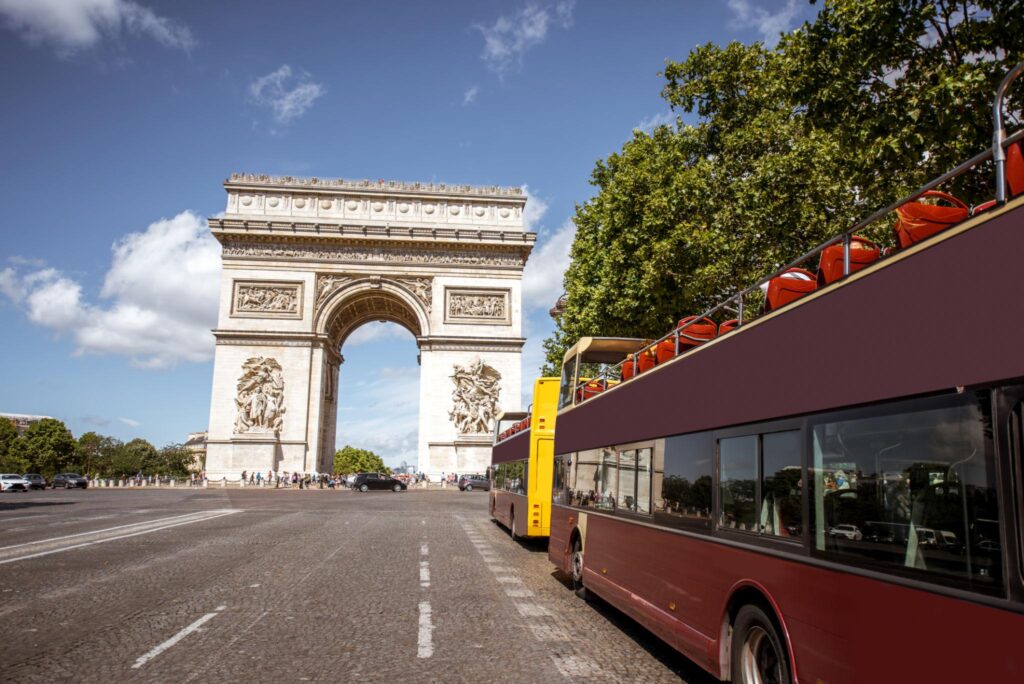
- Arc de Triomphe (climb to the roof for a panoramic city view)
- Seine River Cruise (Bateaux Mouches offers one-hour cruises; the view from water level changes how you see the city)
Hidden and underrated Paris sightseeing spots:
- Sainte-Chapelle — This 13th-century Gothic chapel on Île de la Cité has floor-to-ceiling stained glass windows that most tourists walk past while heading to Notre-Dame. Entry costs around €13 and queues are shorter than any major museum.
- Promenade Plantée (Coulée Verte) — An elevated park built on a disused railway line in the 12th arrondissement. It inspired New York’s High Line. It is quiet, green, and virtually tourist-free.
- Rue Crémieux — A small, colorful residential street in the 12th that makes for excellent photography without the selfie-stick crowds of Montmartre.
- Le Marché d’Aligre — A busy daily market in the 12th that locals actually use. Fresh produce, cheese, wine, and a buzzing flea market on weekends.
- Musée de la Chasse et de la Nature — A genuinely eccentric museum in the Marais dedicated to hunting and nature, with taxidermy, art, and dark humor. Rarely crowded. Fascinating.
- Buttes-Chaumont Park — A large park in the 19th arrondissement with dramatic hills, a lake, and a suspension bridge. Far from the tourist center, almost entirely visited by locals.
- Shakespeare and Company Bookshop — The famous English-language bookshop near Notre-Dame is worth a visit even if you do not buy a book. The atmosphere is unique.
- Canal Saint-Martin — The iron footbridges, tree-lined banks, and café terraces along this canal in the 10th arrondissement represent a different Paris from the postcard version.
Not Carrying Essentials for Paris Sightseeing Walks
Why Tourists Get This Wrong
Paris is a walking city. A typical tourist day involves eight to fifteen kilometers on foot without planning it. Many visitors underestimate this and arrive in new shoes, carry oversized bags, or forget items that would make the day far more comfortable. Paris sightseeing tips for tourists
Small preparation failures become big problems mid-day — blisters that end sightseeing early, a dead phone with no navigation, or a sudden rain shower that sends you scrambling into an overpriced café.
Paris Sightseeing Tip: Pack Smart for a Full Day Out
Here is a practical essentials list for any Paris sightseeing day:
Footwear: Wear shoes you have already broken in. Cobblestone streets — common in Montmartre, the Marais, and around Notre-Dame — are beautiful but hard on feet. Comfortable walking shoes or trainers with arch support are the right call. New sandals or dress shoes are not.
A light, small backpack: Carry only what you need for the day. Paris sightseeing tips for tourists. A heavy bag gets exhausting after three hours of walking. A 10–15L daypack is enough.
Refillable water bottle: Covered above, but worth repeating. Paris in summer gets hot. Dehydration is a genuine problem for tourists doing long sightseeing days.
A portable phone charger (power bank): You will use your phone for maps, translation, photos, and Metro planning all day. A 10,000 mAh power bank keeps you covered without needing to find a café with a charger.
A basic rain layer: Paris weather is unpredictable. A compact waterproof jacket or a small travel umbrella takes up almost no space and saves you from being caught in a downpour. Avoid buying a tourist umbrella near the Eiffel Tower — they are overpriced.
Some cash (euros): Most Paris businesses accept card payments, but smaller cafés, boulangeries, and market stalls often prefer cash. Carrying €30–€50 in small notes covers you for unexpected purchases. Use a bank ATM to withdraw cash — airport currency exchange counters charge poor rates. Paris sightseeing tips for tourists
A basic French phrasebook or translation app: Parisians generally appreciate any attempt at French, even a basic “Bonjour” and “Merci.” Google Translate works offline in French if you download the language pack in advance. This is genuinely useful in smaller shops and restaurants.
Screenshot your tickets and hotel address: Mobile data can be unreliable. Screenshot your pre-booked attraction tickets, your accommodation address, and your day’s itinerary before you leave the hotel. This way, you are not dependent on signal when you need information most.
Sunscreen: Often forgotten. The open plazas around the Eiffel Tower, Versailles gardens, and Trocadéro provide very little shade. In spring and summer, sunburn is a real risk during long outdoor sightseeing sessions.
Trying to Cover Too Many Paris Attractions in One Day
Why Tourists Get This Wrong
First-time visitors to Paris often create ambitious itineraries: five museums, two neighborhoods, a river cruise, shopping, and dinner — all in a single day. This approach almost always fails. You end up rushing through everything, absorbing nothing, and finishing the day feeling worse than when you started. Paris sightseeing tips for tourists
The most common version of this mistake involves trying to see both the Louvre and the Palace of Versailles on the same day. Versailles alone requires four to six hours to do justice. Adding a full morning at the Louvre means neither gets the attention it deserves.
Paris Sightseeing Tip: Do Less, Experience More
Quality beats quantity every time. Here is a better approach:
Choose one major attraction per half-day. One morning museum plus one afternoon neighborhood walk is a sustainable daily rhythm. It leaves room for spontaneous discoveries — a café that looks good, a street market you did not know existed, a bookshop with a cat in the window.
Give full days to major sites. The Louvre needs at least three hours to see even a portion of its collection. Versailles needs a full day if you include the gardens. The Palace of Versailles gardens alone cover 800 hectares. Plan these on separate days. Paris sightseeing tips for tourists
Build in rest time. Paris has extraordinary parks and café culture for a reason. Sitting in the Luxembourg Gardens for an hour, or having a slow lunch at a corner bistro, is not wasted time. It is part of what makes Paris Paris. Tourists who skip this kind of slow time consistently report feeling they missed the real city.
Plan backup options. Have two or three low-effort activities in your back pocket for when you are tired — a quiet garden, a neighborhood wander, a patisserie stop. These fill the gap when energy flags and the original plan feels too ambitious. Paris sightseeing tips for tourists
A realistic daily template for Paris sightseeing:
- 8:30 AM — Breakfast at a local café
- 9:00 AM — Major attraction (arrive at opening)
- 12:00 PM — Lunch (choose a side street, not a tourist terrace)
- 1:30 PM — Neighborhood walk or second attraction nearby
- 4:00 PM — Coffee break; sit down, rest your feet
- 5:30 PM — Late visit to a quieter site or a park walk
- 7:30 PM — Dinner (earlier dinner reservations are easier to get)
- 9:00 PM — Evening light at the Eiffel Tower or a Seine riverside walk
This kind of day feels manageable. It lets you enjoy what you see. And it leaves you with energy for the next day.
Final Thoughts on Paris Sightseeing Tips for Tourists
Paris rewards the prepared traveler. The city does not punish first-time visitors — but it does expose poor planning quickly.
The seven mistakes covered in this guide are all common, all fixable, and all avoidable with a bit of advance thought. Show up at the right time. Group your sightseeing by neighborhood. Use the Metro. Know which experiences are free. Find the hidden spots alongside the famous ones. Pack for the walking. And do not try to see everything. Paris sightseeing tips for tourists
Paris is not a checklist. It is a city best experienced at a pace that lets it actually land. Paris sightseeing tips for tourists
Frequently Asked Questions About Paris Sightseeing
What is the best time of year to visit Paris for sightseeing?
Spring (April to June) and early autumn (September to October) offer the best combination of good weather, manageable crowds, and pleasant temperatures for walking. Summer (July to August) is the busiest and most expensive period. Winter (November to February) has fewer tourists, lower prices, and a quieter atmosphere, though some days will be cold and grey.
How many days do you need to see Paris properly?
Most first-time visitors need at least five to seven days to see the major attractions without feeling rushed. Three days lets you cover the highlights but leaves very little room for neighborhoods, markets, or unhurried exploration. A week gives you enough time to mix famous landmarks with local discoveries.
Is the Paris Metro safe for tourists?
Yes, the Paris Metro is safe and is used by millions of people every day. Standard precautions apply: keep bags in front of you, be aware of your surroundings in busy stations, and avoid displaying expensive phones or cameras in crowded carriages. Pickpocketing is the main concern, not personal safety.
Do I need to book Paris attractions in advance?
For major sites like the Eiffel Tower, Louvre, Palace of Versailles, and Sainte-Chapelle, advance booking is strongly recommended and in some cases required. Timed-entry tickets sell out weeks ahead during summer. Book as soon as your travel dates are confirmed. Paris sightseeing tips for tourists
What is the cheapest way to get around Paris as a tourist?
The Metro and bus network offers the cheapest and most efficient way to move around Paris. A single journey within central Paris costs around €2.15. A weekly Navigo pass covers unlimited travel on all public transport for one flat price and is excellent value if you are staying five or more days.
Can you walk between most Paris tourist attractions?
Many Paris attractions are walkable from each other if you group them by neighborhood. The Louvre to Notre-Dame is about a 20-minute walk. The Eiffel Tower to the Musée d’Orsay is about 15 minutes on foot. However, crossing from one side of the city to the other — say, from Montmartre to Versailles — requires public transport.
What should I avoid doing as a tourist in Paris?
Avoid eating at restaurants directly facing major tourist sites (overpriced, average quality). Avoid buying Metro tickets individually from machines without a Navigo card. Avoid visiting multiple large attractions in a single day. Avoid ignoring neighborhood sightseeing in favor of only iconic landmarks. And avoid skipping Paris entirely during winter — it is one of the city’s most underrated seasons. Paris sightseeing tips for tourists
Is Paris good for first-time solo travelers?
Paris is one of the most solo-traveler-friendly cities in the world. It is well-connected, walkable, has excellent public transport, a strong café culture that welcomes solo visitors, and a huge range of free or low-cost sightseeing options. Basic French phrases help, but English is widely spoken in tourist areas. Tourists can check the official Paris tourism website for updated attraction and travel information.
Planning a Paris trip? Bookmark this guide and use the neighborhood zone map in Mistake #2 to build your daily routes before you fly. Read our complete Paris Metro Guide for Tourists.